

 Perry Stern
What is it?
The McLaren 750S is the latest model in the British marque’s lineup of supercars, taking the place of the very impressive 720S. Those are some big shoes (tires) to fill, but the 750S is most definitely up to the challenge. McLaren claims that the 750S is the lightest, most powerful production car the company has ever offered. With a history of building extreme-performance machines, this is a bold statement, but every other McLaren I’ve driven has delivered exceptional performance, and the 750S makes them seem slow (relatively speaking).
 New Benchmark
“When you have a car recognized by so many drivers as a benchmark, to do something even better, you have to examine every detail and really push hard for improvements that raise the bar again,” said Michael Leiters, CEO, McLaren Automotive. “This is what we have done with the new 750S and the light weight, V8 engine performance and outstanding dynamic abilities combine to deliver a supercar driving experience that hits new heights, with truly exhilarating levels of emotional connection.”
 What I Drove
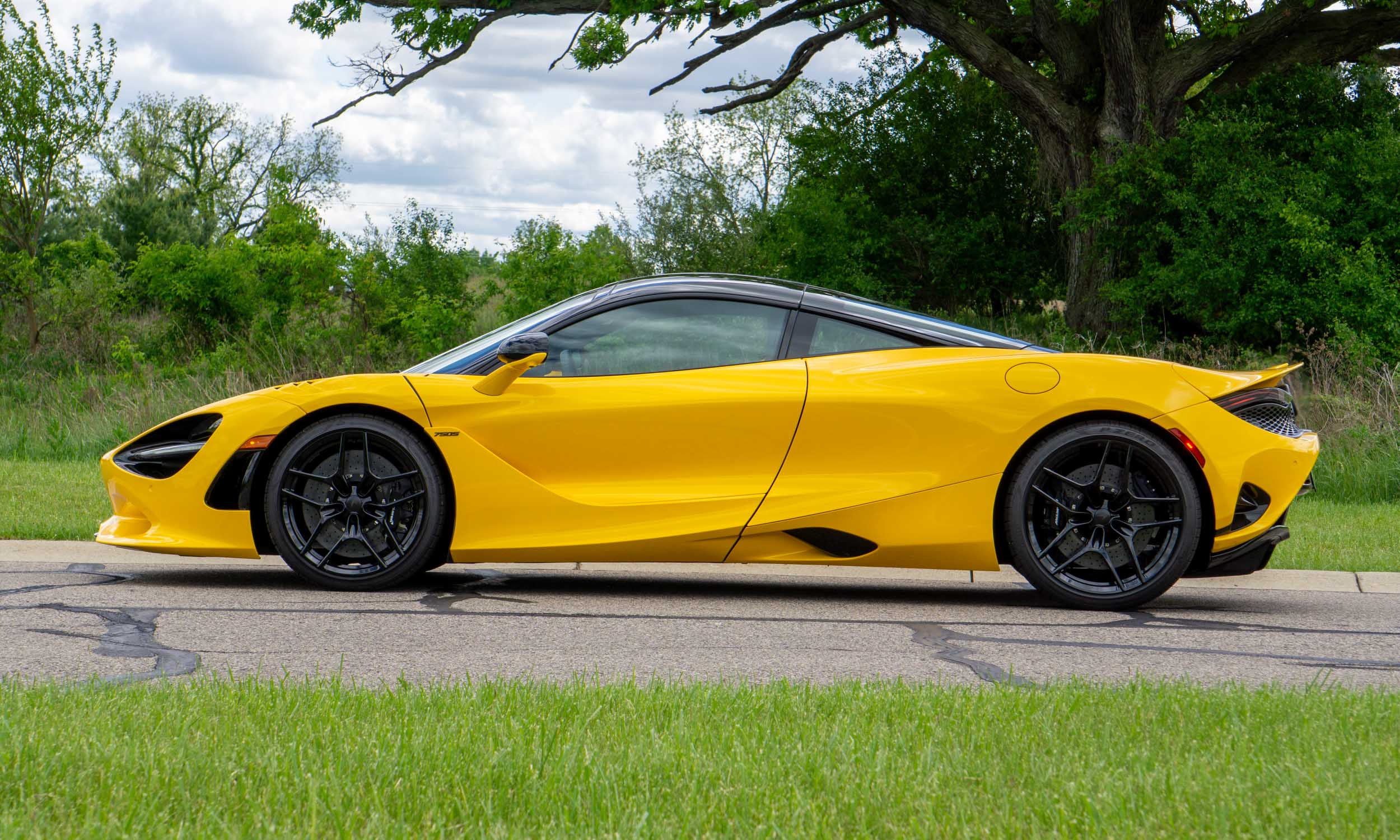
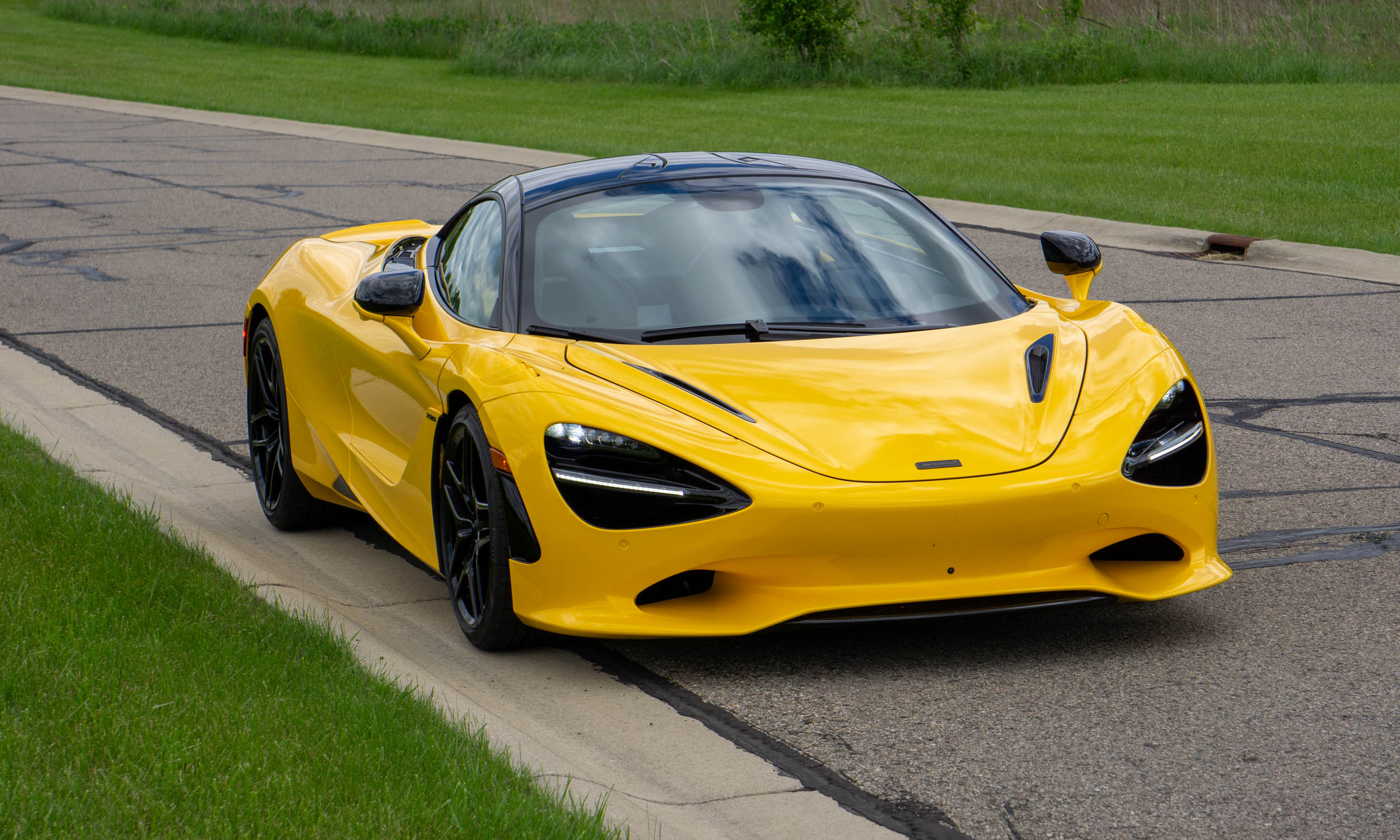
McLaren provided me with a 2025 750S Coupe, painted in the aptly-named Volcano Yellow. This special color is absolutely stunning and is one of the unique colors to come from McLaren Special Operations (MSO). Additional options on my test vehicle included Strike Forged 10-spoke Super Lightweight alloy wheels, body-color front fender, Black Pack, Carbon Fiber interior pack, yellow seatbelts, Performance interior, and the Bowers & Wilkins premium audio system. The total manufacturer’s suggested retail price (MSRP) was $420,280, inclusive of the $5,500 destination charge and the $1,000 gas guzzler tax.
 Signature Lights
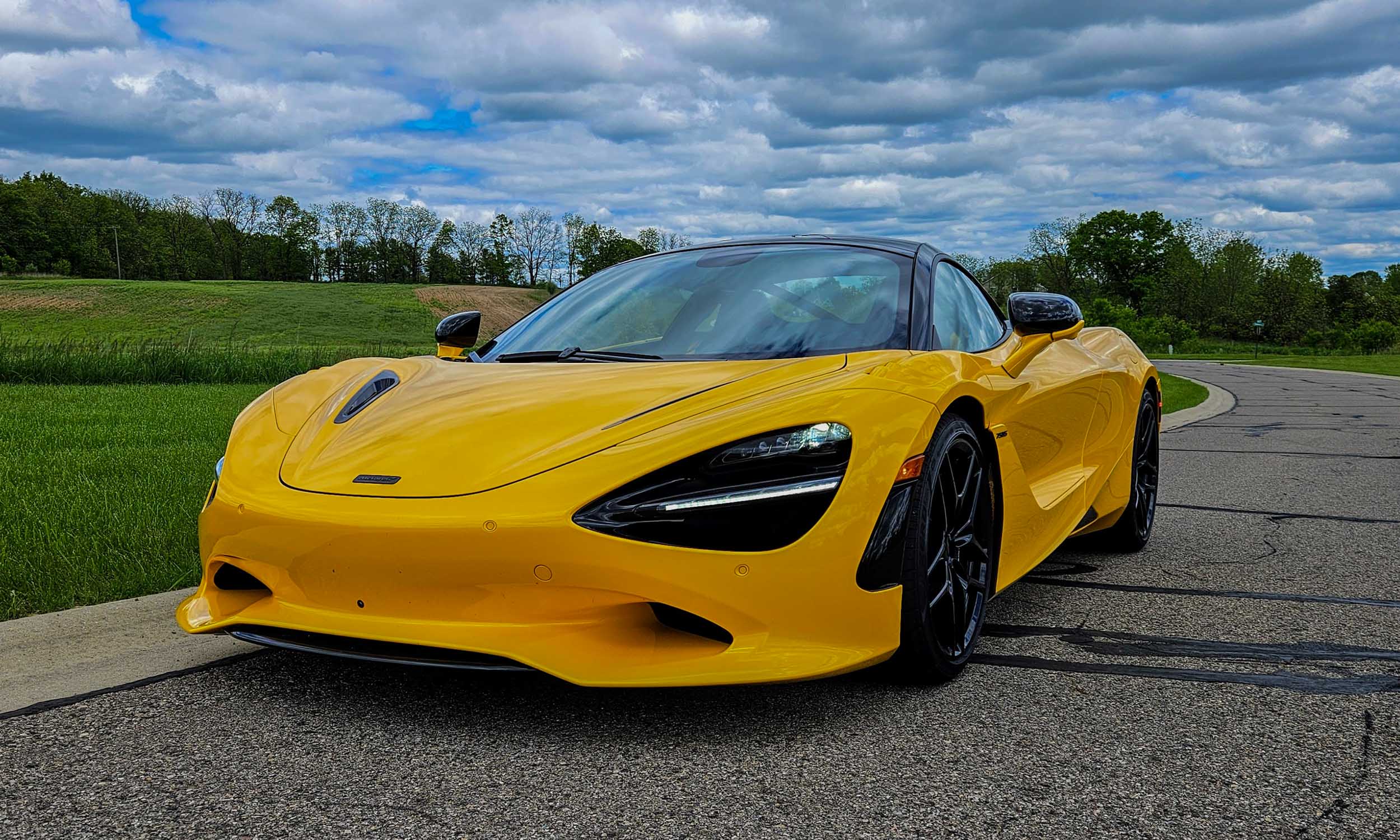
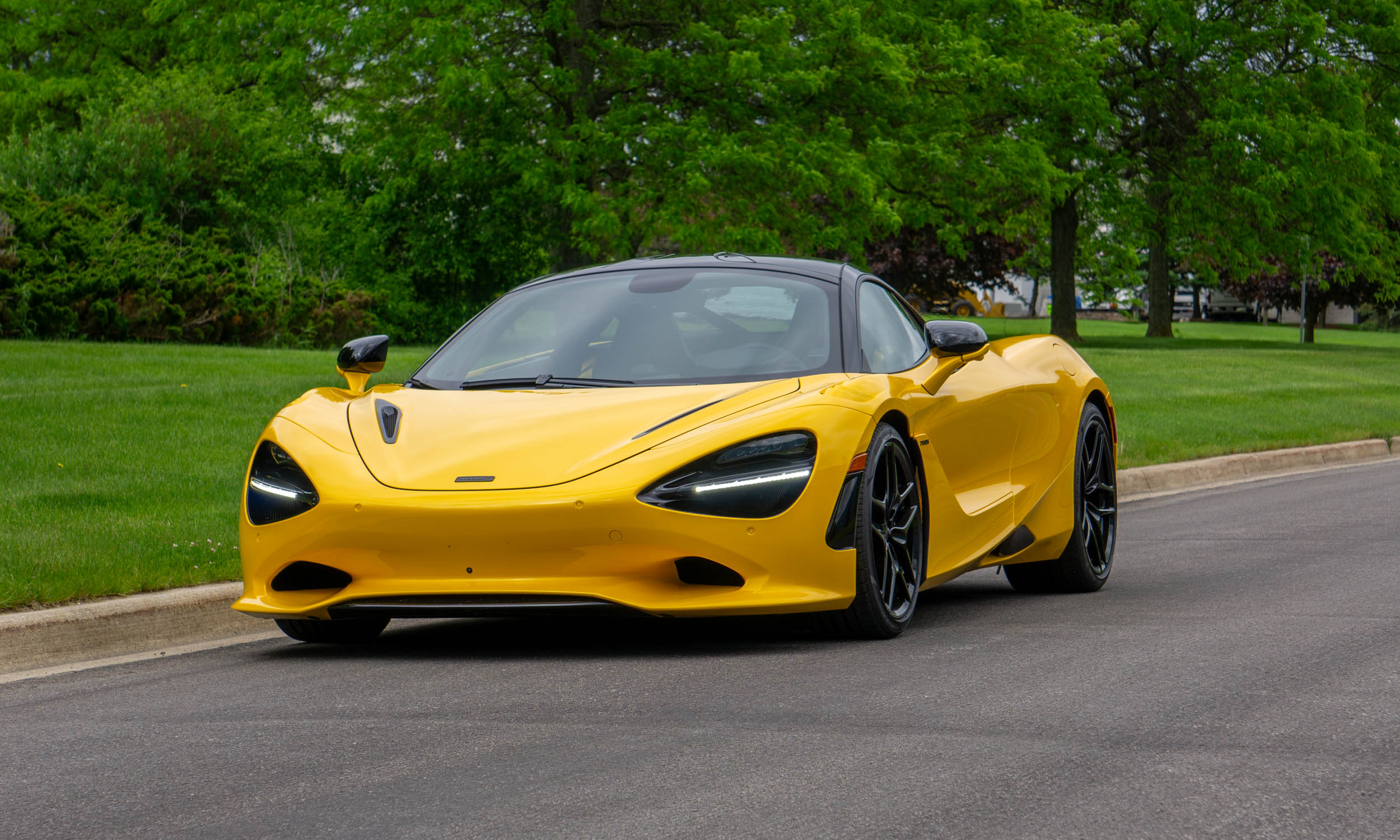
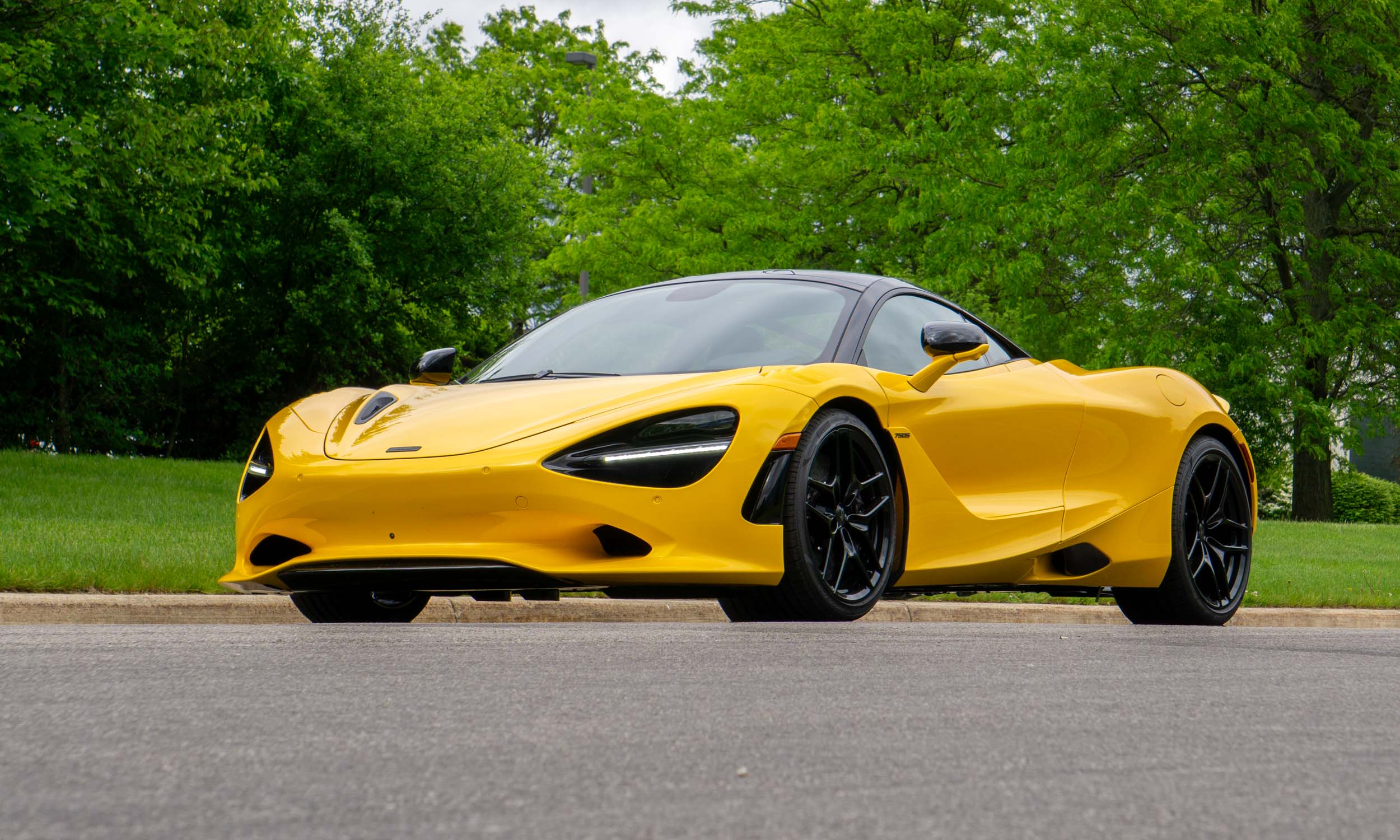
While the design of a McLaren supercar continues to evolve with every new model, the 750S is easily recognizable as a product of this famed British brand. The large headlight openings are referred to as eye sockets, and not only do they house the digital LED lighting and always-visible LED light strips, but they also provide airflow to low-temperature radiators while reducing drag.
 Air Flow
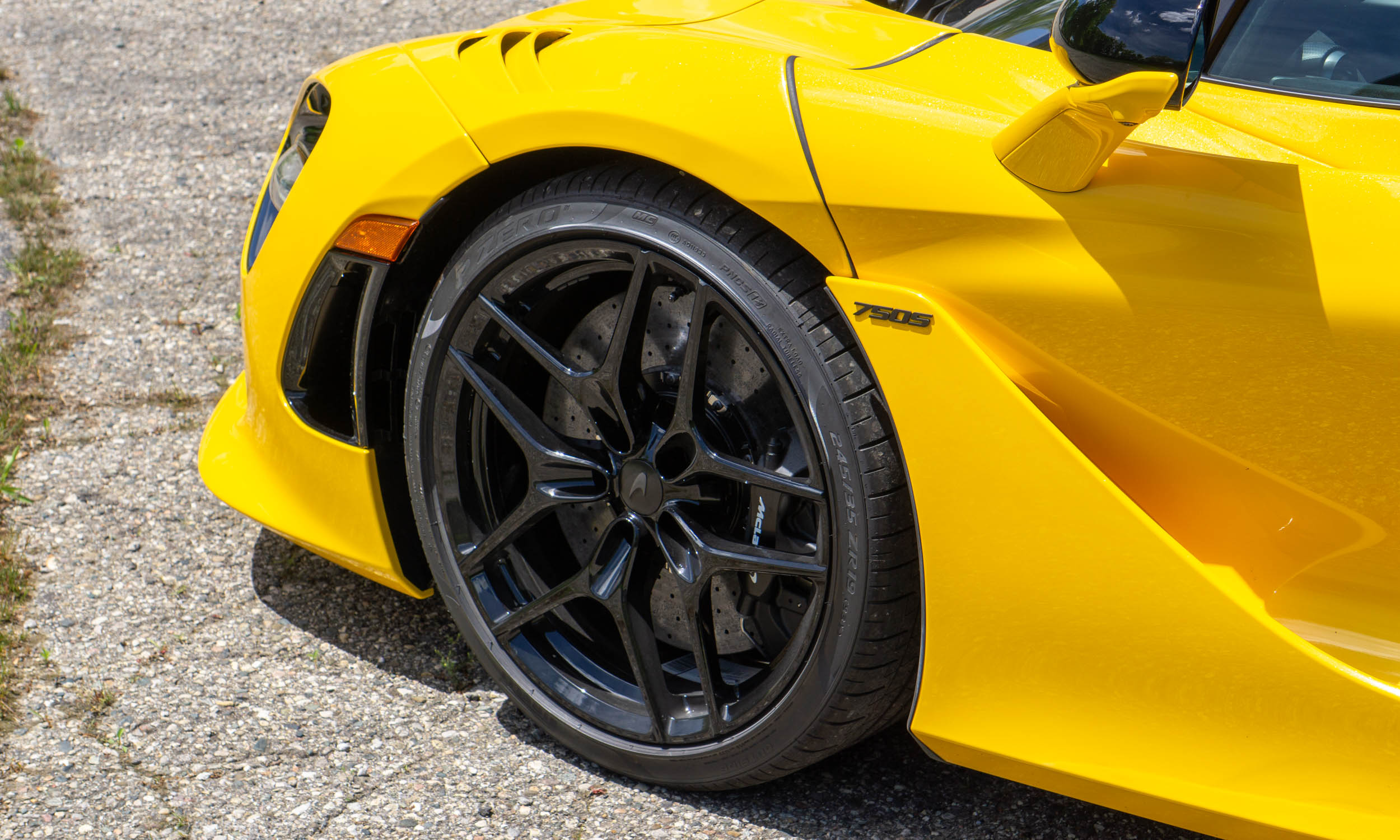
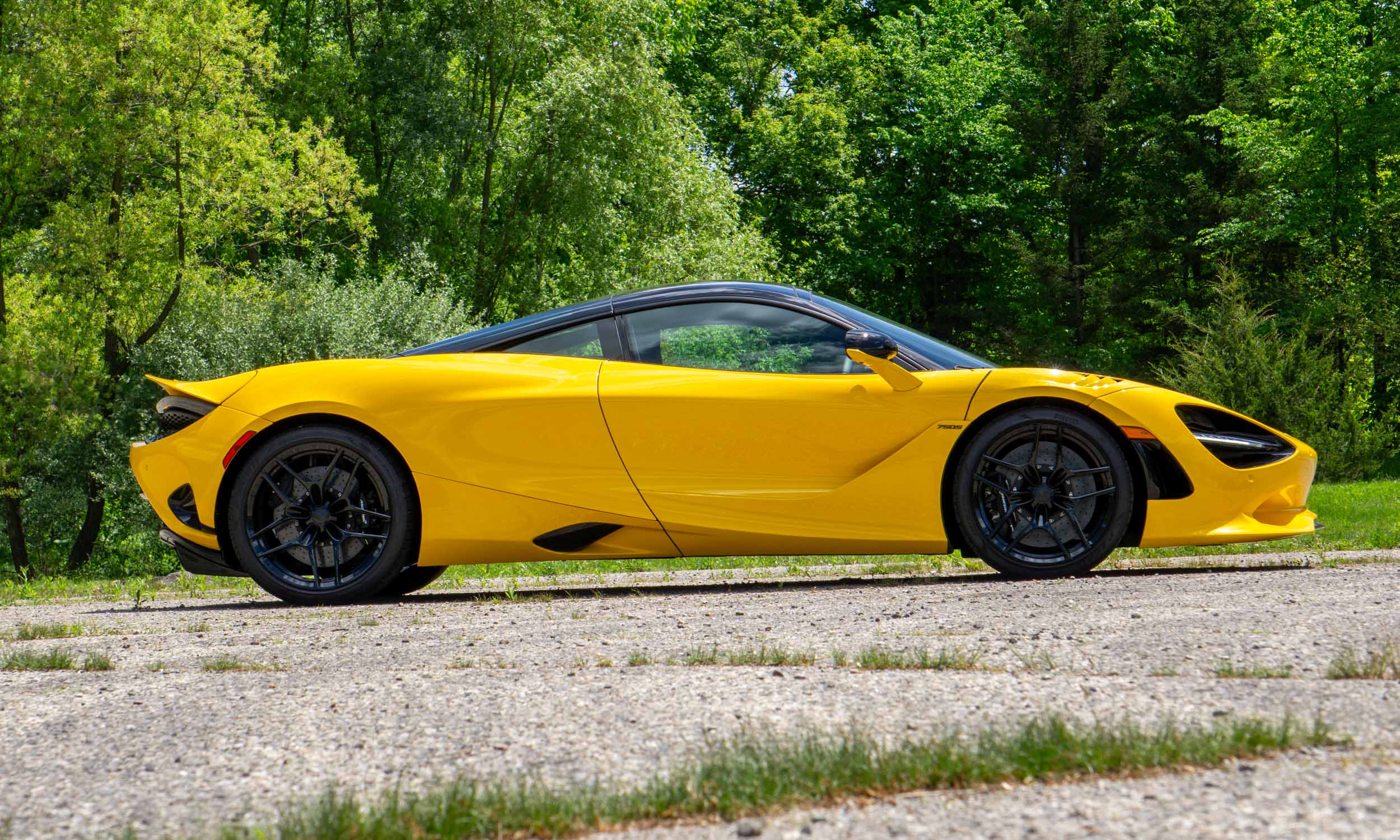
The McLaren is an absolutely stunning automobile, but the style is born from achieving the best possible aerodynamic performance. Air doesn’t just flow over the sleek lines of the McLaren; it flows through. The doors are sculpted to allow air to pass smoothly from the wheels to the rear, while tunnels in the doors direct air to cool the engine. Vents in the fender help the air flow away, maintaining downforce at the front.
 Rear View
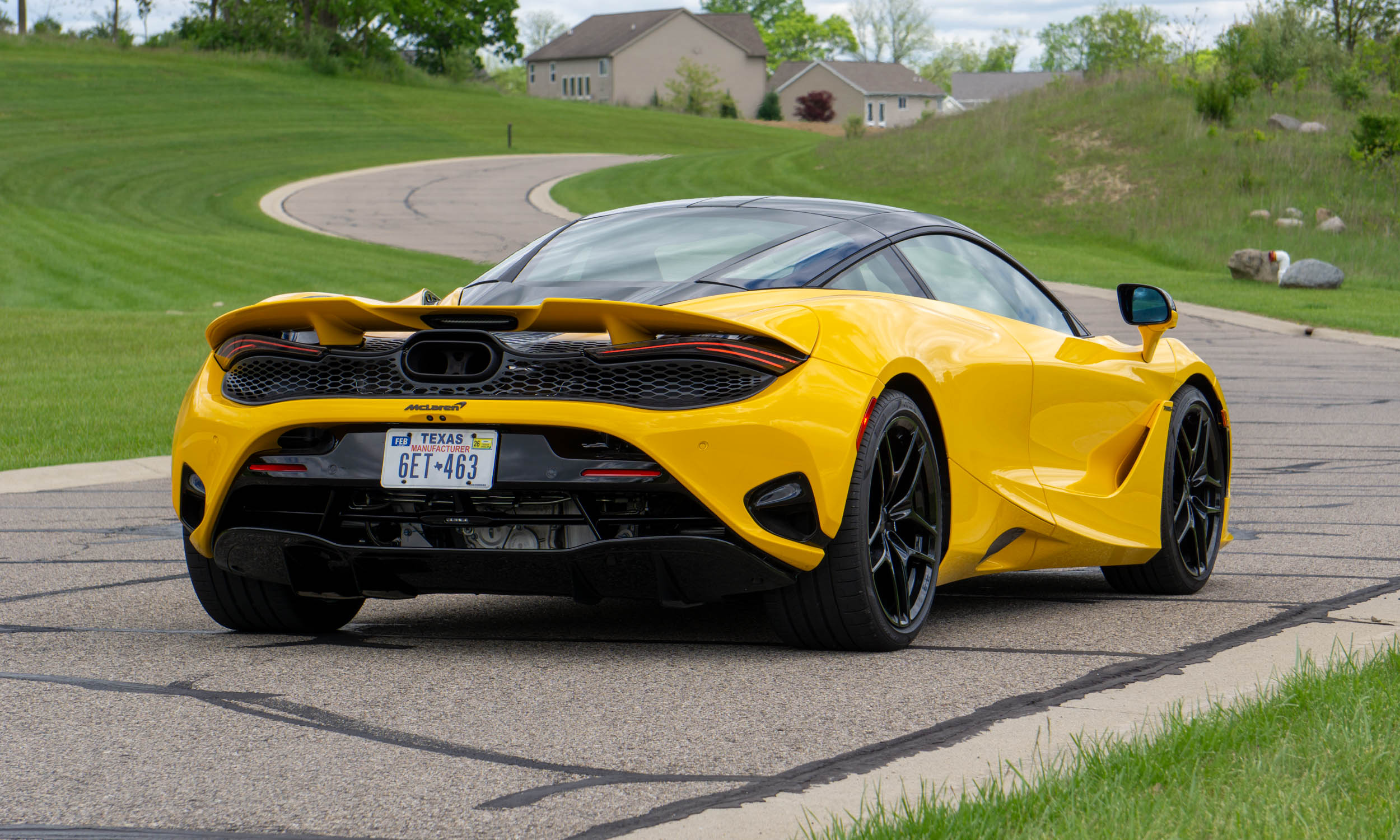
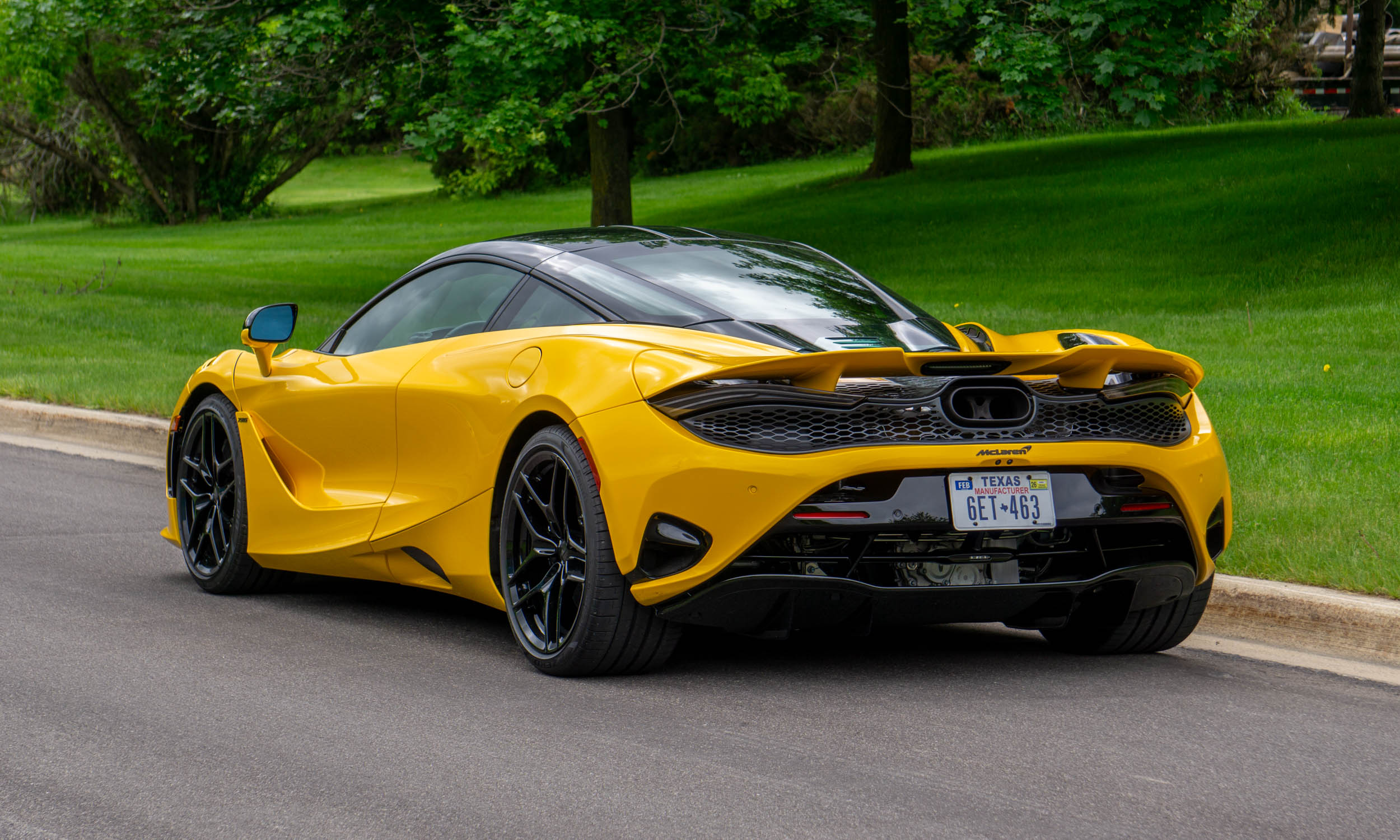
At the rear of the 750S is additional air venting and a single large exhaust outlet placed between the slim LED taillights. The active rear wing has a 20 percent larger surface area than the 720S, but it weighs less due to its carbon fiber construction. The small cutout in the center prevents damage from the hot exhaust at a standstill and improves rear visibility. At higher speeds, the wing provides additional downforce for cornering but reduces drag when accelerating in a straight line. High-speed braking deploys the wing for increased downforce, providing better stability and reducing braking distance.
 Engine Glow
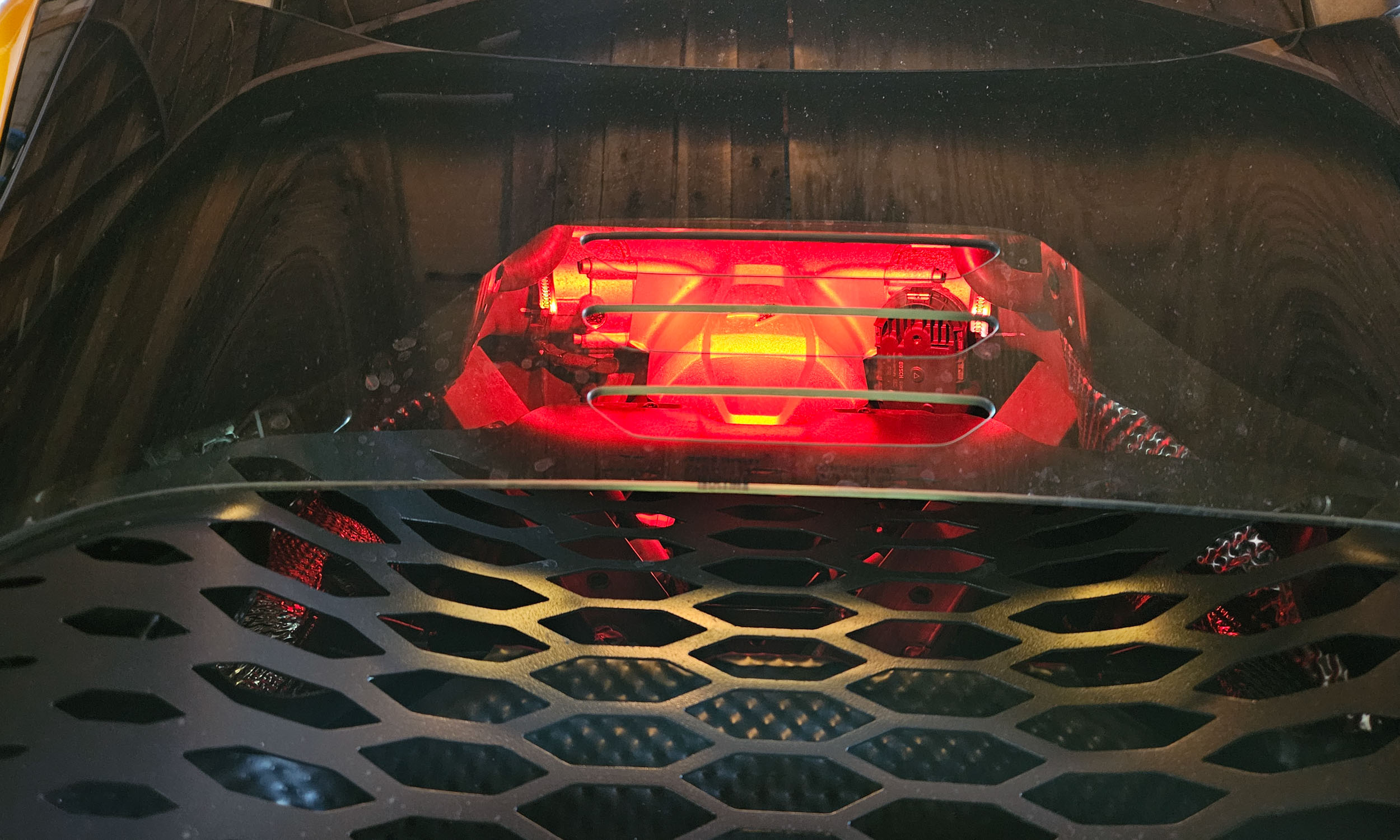
The McLaren’s powerplant is visible through the clear cover at the rear, but there’s a bonus at night. It’s a simple thing, but I was surprised to see the engine glowing red when I parked the McLaren in my dark garage. No, I hadn’t driven the car so hard that the engine was red hot, but that’s what it looked like. It’s completely unnecessary, but a fun feature nonetheless.
 Dihedral Doors
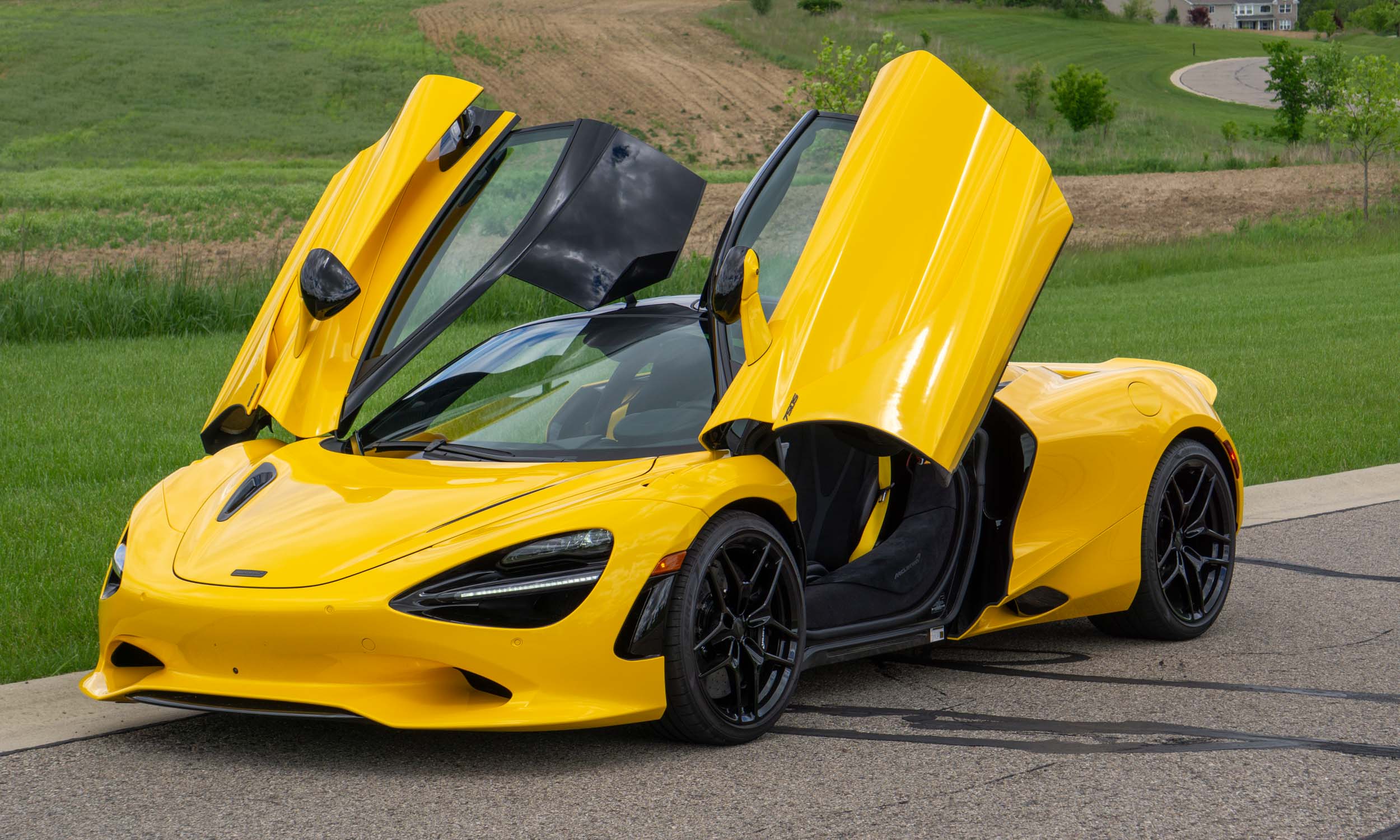
Like its predecessors, the McLaren 750S features the brand’s signature dihedral doors that open up and out. Not only do they add to the exotic vibe of the 750S, but the doors also make access to the cabin easier by opening with a section of the roof. Once inside, the door is easy to grab and pull shut. It seems that you would need extra space around the McLaren to operate the doors, but they open upward more than out, so it isn’t much different than what is required for a ‘normal’ door.
 Inner Space
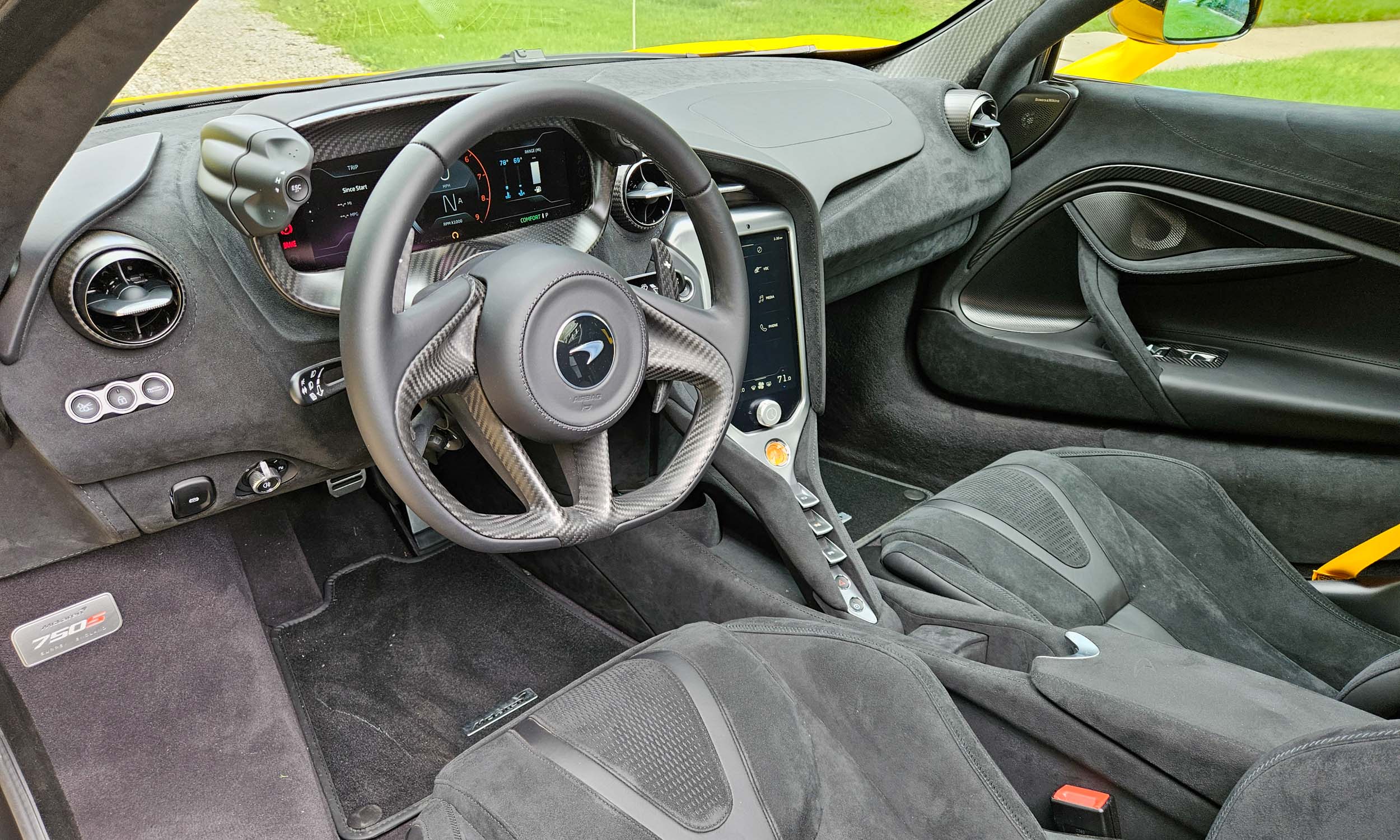
Opening those stylish doors reveals an elegant and purposeful cabin, with almost every surface covered in either Alcantara or carbon fiber. The bright yellow seatbelts in my test vehicle added a nice pop of color to the otherwise monotone cockpit. Trimmed in carbon fiber and leather, the steering wheel is a work of art in itself, unencumbered with any buttons or controls. Large carbon fiber paddle shifters are perfectly positioned behind the wheel for quick shifting.
 Infotainment
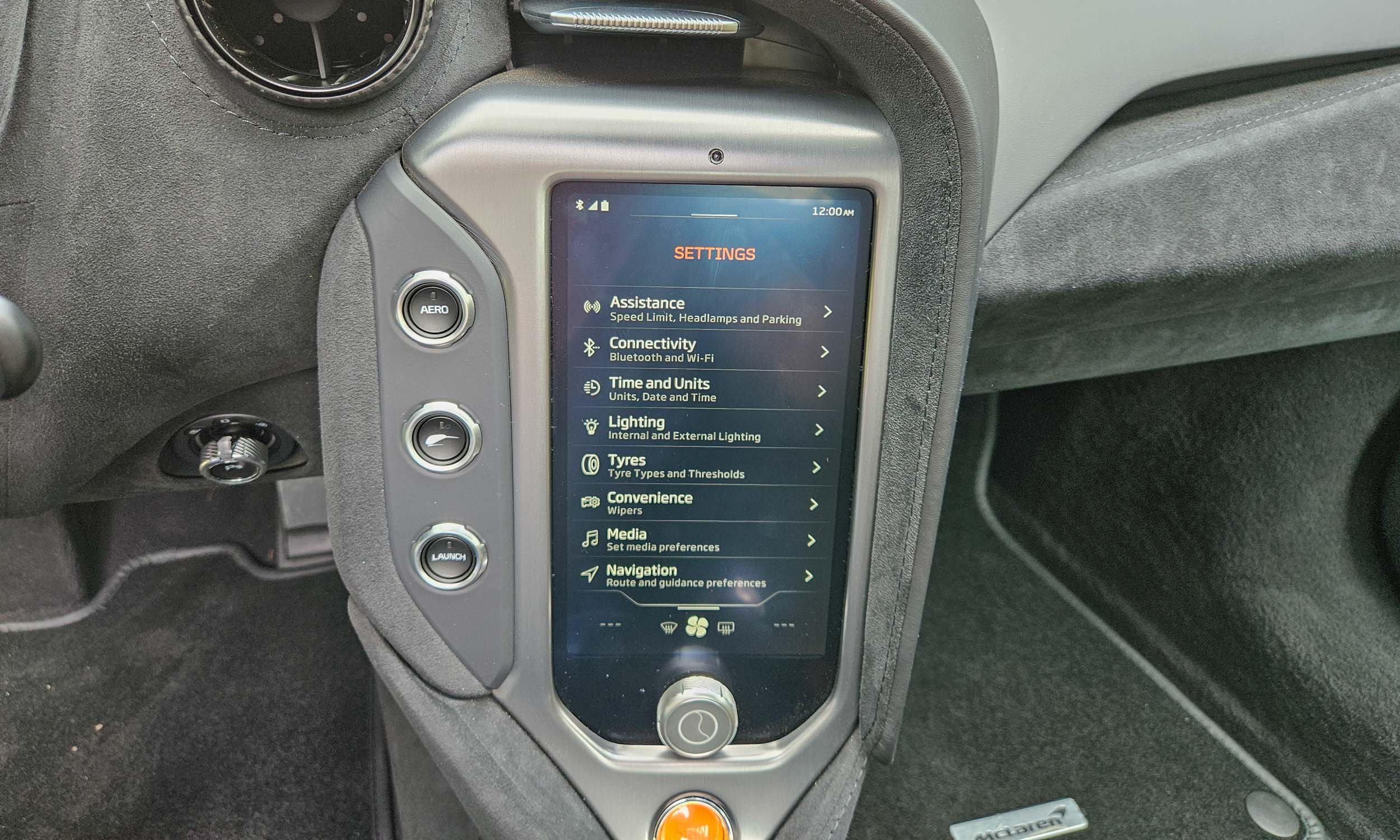
The McLaren 750S uses a relatively small vertical touchscreen display integrated nicely into the dashboard. The system is usable, but it can be challenging to work out the menu system. Apple CarPlay is available, but Android users are out of luck – there is no option for Android Auto.
 Seats
Seats
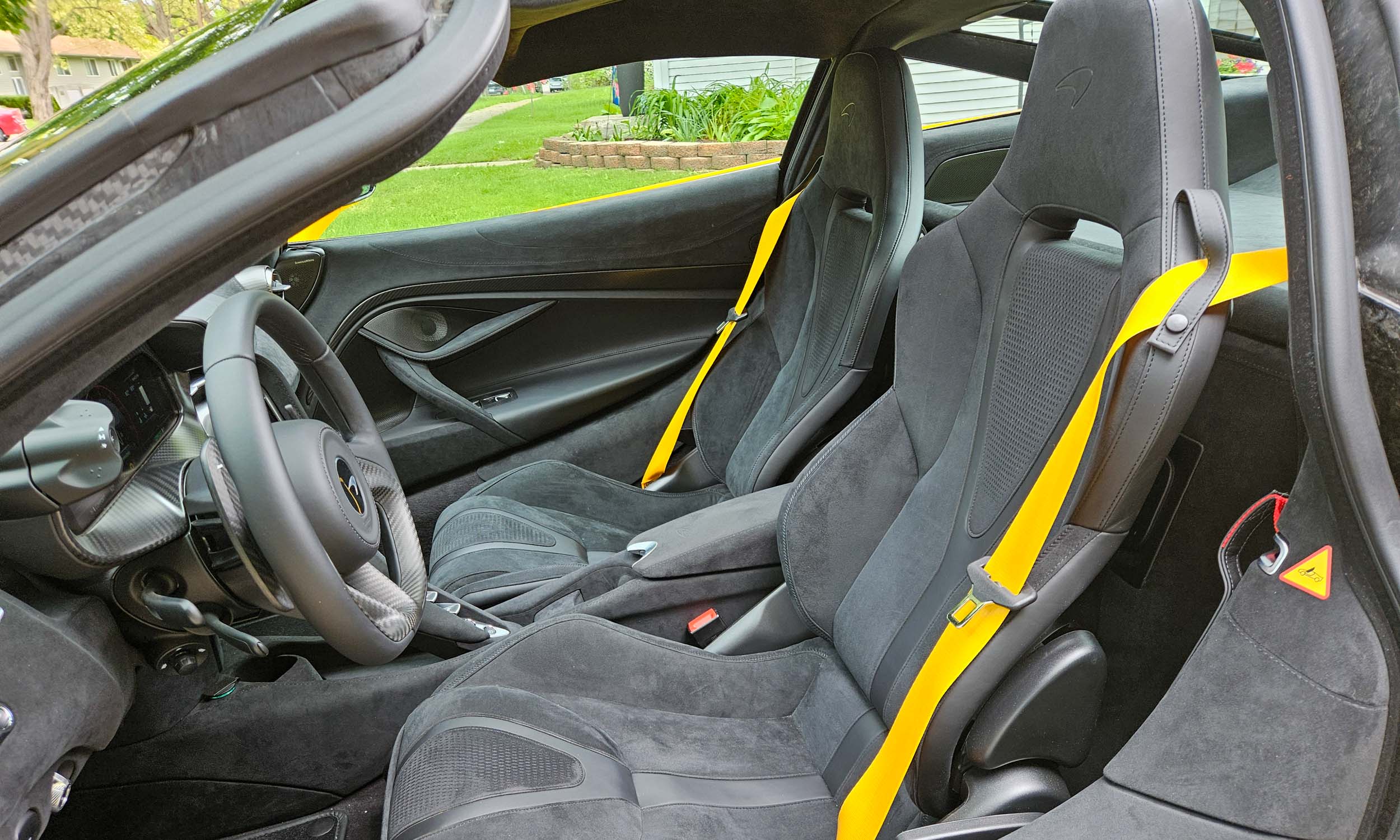
My test vehicle featured the Performance Interior, which gave me seats trimmed in Alcantara with soft-grain leather accents. The standard Comfort Seats are stiff but nicely padded, featuring firm bolstering for thighs and back. I spent as much time as possible in that seat during the McLaren’s stay and provided excellent support during enthusiastic driving while remaining comfortable after long stints behind the wheel.
 Storage
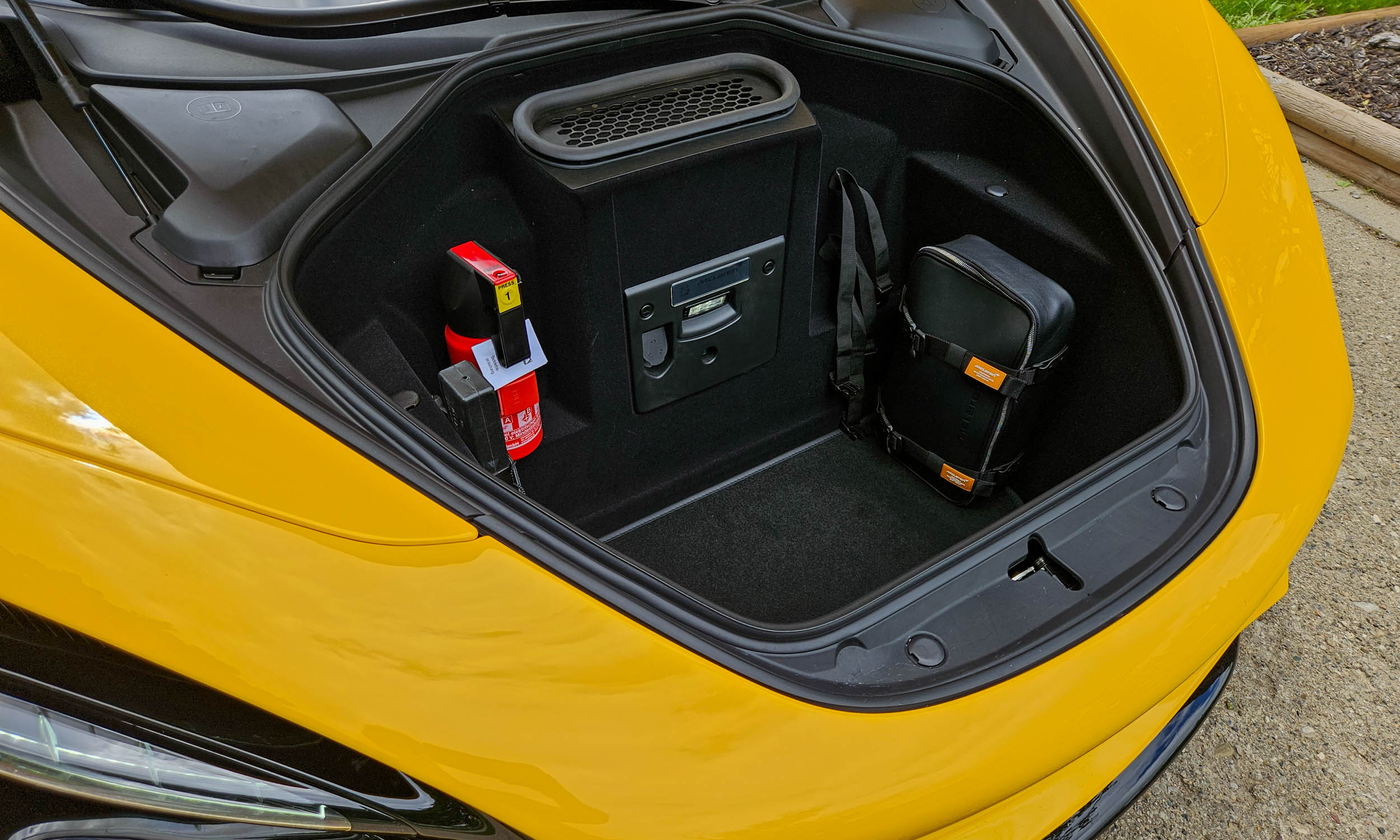
Utility is not the McLaren’s strong point; however, there is room for a few overnight bags. With the engine positioned behind the driver, a frunk is located under the hood, providing just over five cubic feet of space. Additionally, a flat shelf behind the seats can accommodate an additional 7.4 cubic feet of cargo, although access is somewhat more challenging.
 V8 Power
Residing behind the driver is a revised twin-turbo 4.0-liter V8 engine that delivers a massive 740 horsepower and 590 lb-ft of torque. Power is directed to the rear wheels via a quick-shifting 7-speed automatic transmission.
 Performance Stats
According to McLaren, the 750S can complete the sprint to 62 mph (100 km/h) in just 2.8 seconds. For a non-electrified, rear-wheel drive sports car, that figure is almost unbelievable – but after my experience, I’m a believer. Keeping the right pedal to the floor will bring up 124 mph in 7.2 seconds, pass the ¼ mile in 10.1 seconds, and, with enough space, reach a top speed of 206 mph. Almost as impressive is the braking – stopping from 62 mph takes less than 100 feet.
 Excellent Visibility
The first thing you notice when setting off in the McLaren is the perfect driving position. With its wide windshield and hood that flows downward, it was as if I were sitting on the road with an unobstructed view out the front. Unlike many supercars I’ve been in, the rear visibility is unobstructed, and the mirrors that extend out from the doors provide a clear view.
 Getting Noticed
It’s hard to be stealthy when you’re driving a McLaren painted in Volcano Yellow, so the car got considerable attention as I headed out of the small town of Dexter, Michigan. The engine has a nice rumble, broadcasting the available power without being obnoxious about it, but it still turned heads when the revs climbed. The throttle is easy to modulate at slow speeds, and the McLaren was perfectly fine cruising through town at 30 mph.
 Extreme Acceleration
Having driven McLarens before, I thought I knew what to expect from the 750S, but I was unprepared for this car’s brutal acceleration. At my first chance, I put my right foot down, and the power came on instantly. The 750S launched with no wheel spin, staying completely in control while the digital speedometer spun like a slot machine. Using the paddle shifter, gear changes up or down are very quick with no delayed action.
 Lighting the Afterburners
But then I put my foot down to the floor, and from 60 mph, it felt like I’d lit the afterburners. The acceleration was so strong that I felt I had to hold on to the steering wheel or I would be thrown to the back of the car. Hitting the brakes hard raised the rear spoiler, helping to slow and maintain control as the weight shifted to the front wheels, and in an instant, I was driving at a more acceptable pace.
 Like a Go Kart
As quick as the McLaren is in a straight line, it is even more impressive on a twisty road. Steering is extremely precise, and with the wide-open forward view, it’s easy to place the 750S exactly where you want it, almost as if you’re driving a go-kart. The McLaren stays flat in the corners with excellent grip and easily puts the power down upon exit with no drama, just speed. With the ability to change directions quickly and confidently, the 750s felt light and nimble and never seemed to come close to its limits – that would require a racetrack.
 Rating: 9.0
I’ve driven many McLarens over the years, and without a doubt, the 750S has quickly become my favorite. Besides its standout looks and comfortable, stylish cabin, the performance borders on unbelievable. Acceleration is among the quickest I’ve experienced – and that includes driving electric vehicles – and the exceptional handling and ride control at high or low speeds make me want to drive this car every day. If you’re in the market for an extreme performance car that will make your daily drive a joy, the McLaren 750S should be high on the consideration list.


